
Every Dar EcoLiving
How to Integrate Restorative Ecology, Climate Change Mitigation, and Collective Flourishing into our Daily Modern Lives
In collaboration in EcoVillage ToursAre you concerned with the environmental future of our planet, but unsure what tangible changes you can make to your life to accommodate the necessary transformation? Are you considering taking steps toward a more ecological lifestyle but need more information about what that actually means?
This course will explore some of the various approaches to transforming our lives and our world through regenerative practices, throughout all aspects of our day to day. Throughout these weeks together, we will engage with theoretical approaches to collective transformation, as well as practical options and examples. We will also learn with pioneers and leaders from the various sectors, taking tools and ideas into our daily lives.
What does it mean to live ecologically?
*
What does it mean to live ecologically? *
Course Cirriculum
What are the paradigms upon which our current systems are designed, how do these values manifest in our landscapes and daily lives? What would it look like to reorganize our systems around a paradigm of mutual well being, in which the values of ecological restoration and interdependence are given priority?
What are the various parts of our lives and behaviors that directly affect the ecologies and non-human species around us? In which ways do we interact with and rely on ecological systems?
What would it take to restore balance to our planet? Who are some of the system thinkers, philosophers, designers, and engineers who are leading this discussion today?
Modules
-
Contemporary food systems: Overview of agriculture and monoculture, global supply chains, subsidies. How do these contemporary systems mirror current paradigms of separation? How does the organization of these systems affect ecological systems, soil, and human resilience?
The ethical questions of food production: exploring various factors including inputs, logistics, labor, animal welfare, human health, and feeding the global population.
Diets and seasonal eating: How our diet reflects the current extractive system, how we can change what we eat to influence food systems and production.
The importance of Community Supported Agriculture (CSA), home grown food production, and other practical ways to engage with and support regenerative food systems.
-
Centralized and commodified water and the broken hydrological cycle: where does our water come from? What are the ecological and health implications of our current water systems design?
Watershed manipulation and its effects on biodiversity, invasive species, and indigenous communities.
Water retention landscape engineering: the urban and the rural stories. How can we restore the water cycle?
Hydrological engineering as a strategy for reversing climate change without carbon sequestration, and the importance of ground water recharge.
-
What is community? What role does our ability to work together, co-live, and co-create play in the global systemic transformation?
Why community and ecological living go hand in hand: past present and future.
What does community look like today: different models of communal living
The significance of the Ecovillage movement in the transition out of extractivism
-
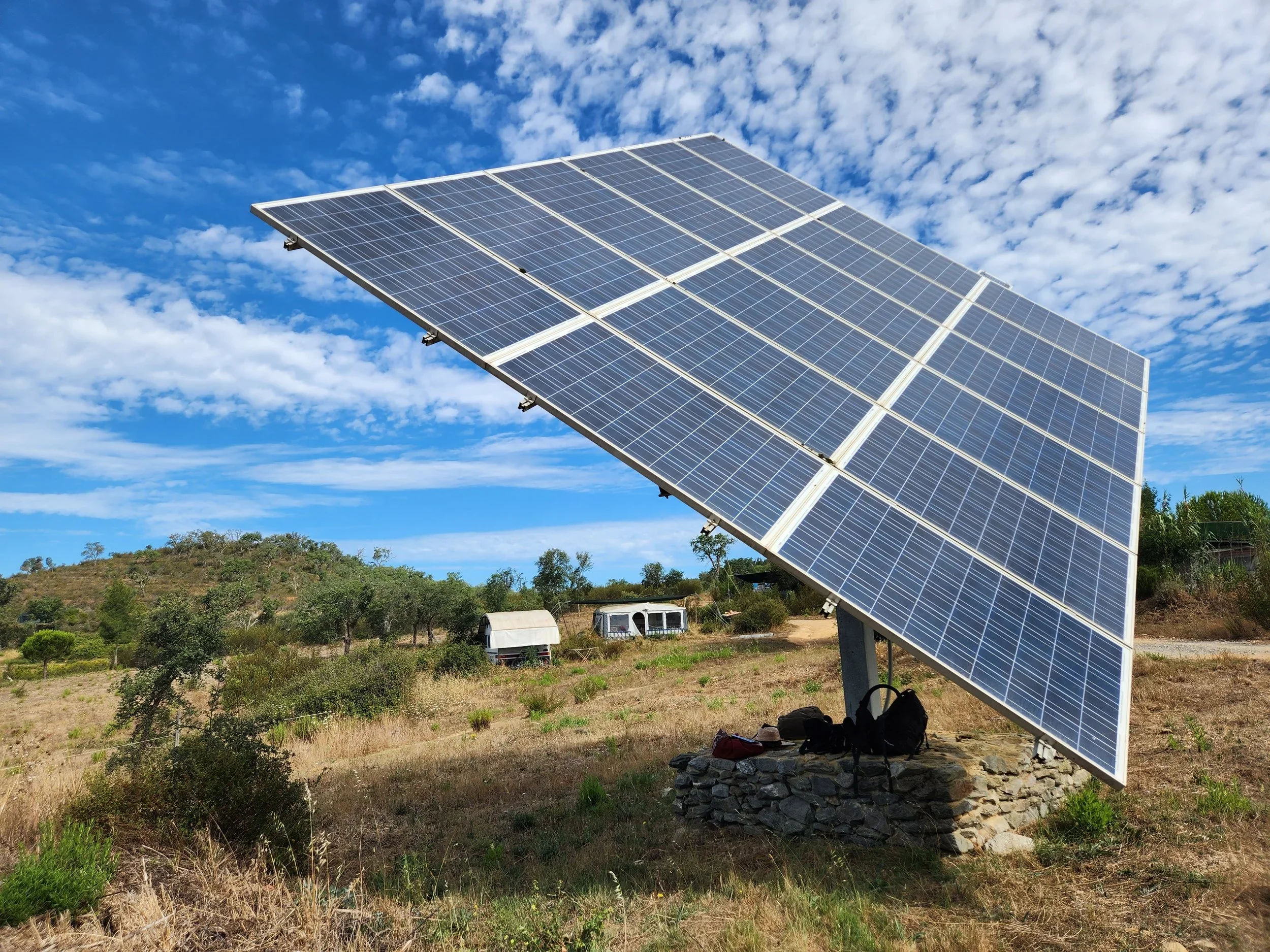
What is energy? How does it work, and how have we harnessed it?
The overemphasis on energy transition in the climate movement, and the myth of zero emissions: what would it mean to have genuinely green energy? What are the resources that must be “renewable” when we think about green energy?
How can we reconsider the concept of energy, while making the most of the resources and tools for regenerative actions?
-
Definitions of wealth in an extractivist system. Looking at alternative kinds of capital, including social, ecological, and spiritual capital and ways to reconsider our perceptions of value.
The ROI problem: making money from money.
Green banks and alternative financial structures. What does it mean to create alternative methods of exchange that focus on localization, transformation of capital, and collective benefit?
-
How do eco-living and regenerative initiatives contribute to the global polycrisis? How do the different modules of the course interact, overlap, and intertwine?
What values and ethics are addressed - or not - by the current regenerative paradigm?
How do we combine honouring the past and local contexts while creating the regenerative future?