
Sacred Ecology
of Semitic and Mediterranean Herbalism
Deep Dive into Agro-Ecological, Mystical, and Poetic Traditions of Herbs and Shrubs of Arid Regions
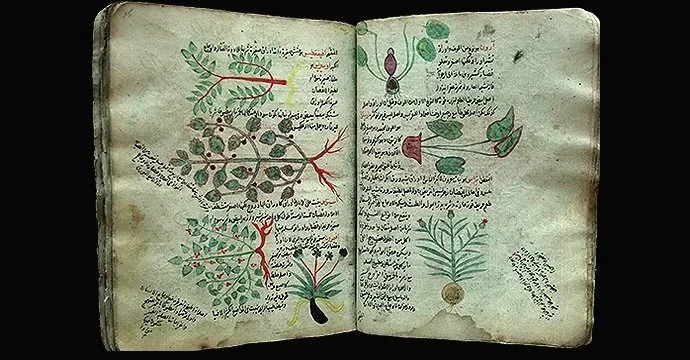
"Image" Ibn al-Baytar (d. 646 H / 1248 AD): Tafsir kitab Diyasquridus fi al-adwiya al-mufrada (A Commentary on Dioscorides’ Materia Medica)In this edition of the Sacred Ecology series, we dive into the world of herbs and shrubs, exploring the mind-body-plant connection, thresholds of consciousness, and ecological interconnectedness. Each module will feature four plants of the sacred traditions of herbalism and worship of Semitic and Mediterranean practices, limning their tangible manifestations in soil, society, and song.
Sacred Ecology & Herbalist Traditions
*
Sacred Ecology & Herbalist Traditions *
Curriculum Outline
Introduction to Sacred Ecology and Herbalist traditions, laying the foundations of textual, mystical, and ecological references for the following classes. During the opening session we will explore the different Mediterranean geographies and Semitic epistemological lineages that inform that transformation of human-plant relations.
Modules
-
Basil, Ocimum basilicum & family - Prized possession of the Andalusi gardens, and mentioned as one of the plants of Jannah.
Myrtle, Myrtus - Mystical and ceremonial uses in Jewish harvest celebration, and deserving of entire courtyard of the Hambra known as Court of Myrtles.
Jujube, Ziziphus - Marking the outermost boundary of human experience of the Divine in the Layla Mi’raj ascension of the Prophet Muhammad, offering tangible means for desert survival
Frankincense, Boswellia - A powerful tool of cleansing, worship, and medicine, reflective of majestic landscape.
-
Hyssop, Hyssopus officinalis – Symbolizing atonement, ritual cleansing, and change.
Henna, Lawsonia inermis – Delineations of maidenhood, marriage, motherhood.
Castor oil plant, Ricinus communis - Supporting fertility, childbirth, cleansing, casting out from the body.
Syrian rue, Peganum harmala – The plant that inspired “flying carpet” mythology, thresholds of consciousness, communal transformation.
-
Thyme, Thymus vulgaris (za’tar) - Staple in Levantine health practice, and the mirror of occupation and land-based violence.
Sage, Salvia officinalis - Wide ranging health benefits, and a story of indigenous identity of the Americas and other regions.
Artemisia species, (wormwood, mugwort, santa elena) - Healing, cleansing, dreaming, and the namesake of many myths.
Black seed, Nigella sativa - ‘Habbat al-barakah’ (blessed seed), from the Pharaoh's passage to the next life, to Prophetic remedy for everything but death
-
Enroll online course
*
Enroll online course *
Sacred Ecology of Herbs Course
Our relationships with ecology and spirituality are deeply intertwined, with the well-being of our collective practice reflected in our landscapes.
In the Sacred Ecology of Herbs in the Semitic and Mediterranean Traditions online course, we will explore 12 herbs and shrubs honoured in the agro-ecological, mystical, and poetic traditions of Abrahamic faiths and in ancient land care practices of Al-Andalus, the Levantine ecosystems, and the Arabian Gulf.
This course will be led by Medina Tenour Whiteman, writer, educator, and researcher on Andalusi and Islamic sacred ecology, together with Katie Wachsberger, a regenerative agro-ecologist, specialising in arid climate ecology and sustainable water practices of the SWANA region.
In this edition of the Sacred Ecology series, we dive into the world of herbs and shrubs, exploring the mind-body-plant connection, thresholds of consciousness and liminality, the Jamal and the Jalal, and wildness versus extractivism. Each module will feature four plants of the sacred traditions of herbalism and worship of Semitic and Mediterranean practices, limning their tangible manifestations in soil, society, and song.
Cost: €250 including ebook (€160 for returning students) via bank transfer